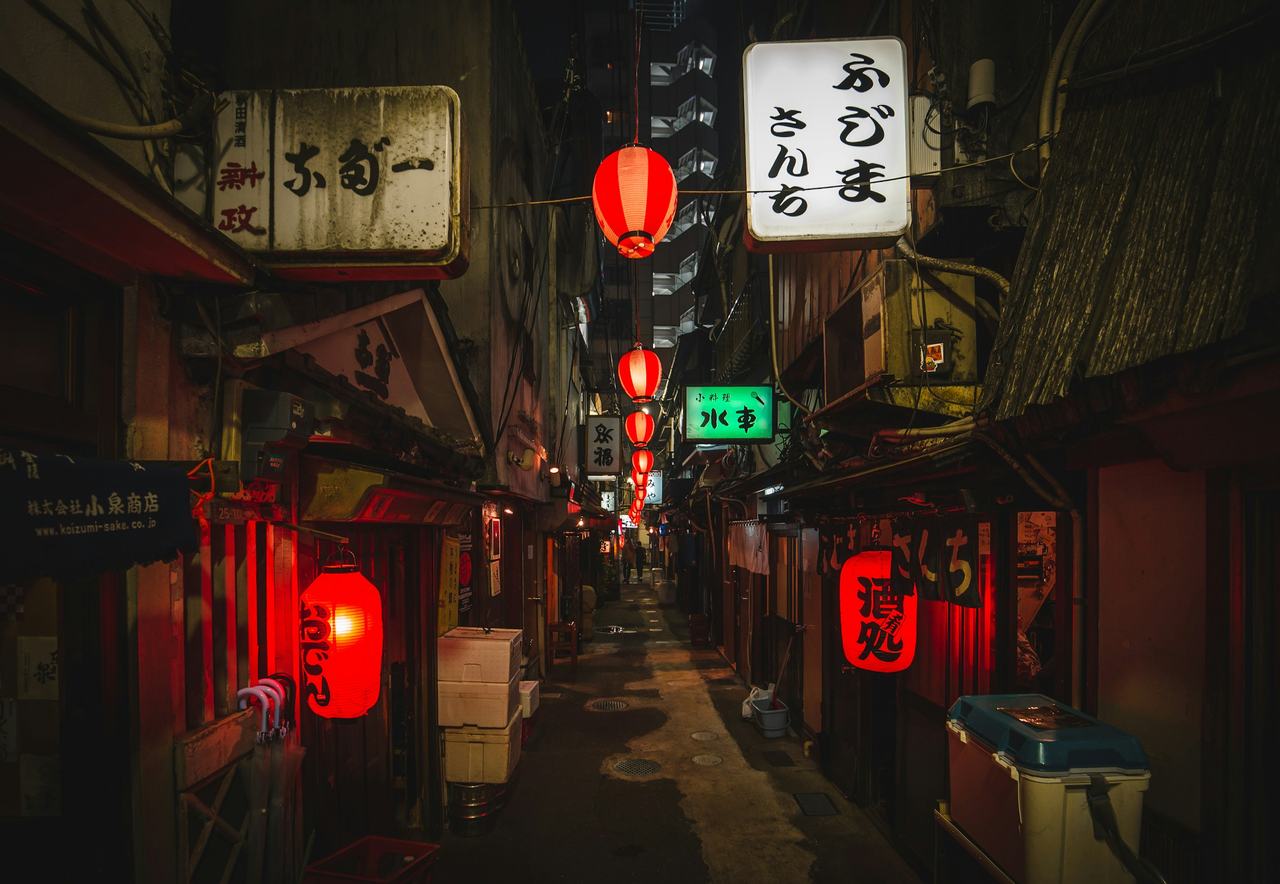
Japanese for Tokyo
What to say, and what you will hear back, from a quiet lane in Yanaka to the gates at Shinjuku.
Start with these
What to Say When You Don’t Understand Japanese
Lost in fast Japanese? These lines ask someone to repeat, slow down or confirm what you heard, and each one comes with audio so you can say it calmly.
How to Say Goodbye in Japanese Without Sayonara
Sayonara sounds like a long farewell. Learn what Tokyo says instead when leaving a neighbor, an office, a restaurant, a hotel or a friend, with audio.
What Does Irasshaimase Mean and Do You Answer
Staff call irasshaimase when you walk in. Learn what it means, why you don’t say it back, and the other set lines shops and restaurants say to you.
Basics
Daijoubu Desu: Does It Mean Yes or No in Japan
Daijoubu desu can accept or refuse. Learn how Tokyo uses it for bags, chopsticks, receipts, sugar and taxis, and how to make your yes or no unmistakable.
What to Say When You Don’t Understand Japanese
Lost in fast Japanese? These lines ask someone to repeat, slow down or confirm what you heard, and each one comes with audio so you can say it calmly.
How to Say Goodbye in Japanese Without Sayonara
Sayonara sounds like a long farewell. Learn what Tokyo says instead when leaving a neighbor, an office, a restaurant, a hotel or a friend, with audio.
What Does Irasshaimase Mean and Do You Answer
Staff call irasshaimase when you walk in. Learn what it means, why you don’t say it back, and the other set lines shops and restaurants say to you.
Japanese Counters for Ordering: Hitotsu, Futatsu, Mittsu
You need only a few counters to order in Japan. Learn hitotsu to ten, plus the ones for drinks, long things, chopsticks, people and hotel nights.
Kudasai vs Onegaishimasu: Which to Use in Japan
Kudasai or onegai shimasu? See which one fits ordering, asking for a bag, a taxi destination, handing over a ticket or a favor, with real spoken examples.
Sumimasen vs Gomen: Sorry and Excuse Me in Tokyo
Sumimasen covers sorry, excuse me and even thank you. See where Tokyo uses it all day, when a friend says gomen instead, and hear each line spoken.
Eating and drinking
How to Ask for the Bill and Split It in Japanese
Ask for the check in Japanese, pay separately or split it evenly, and choose card or cash. Includes what staff ask you at the register, with audio.
How to Book a Restaurant by Phone in Japanese
A full phone script for booking a Tokyo restaurant: open the call, give the date, time and party size, handle ’fully booked’, and leave your name.
Running Late: Change or Cancel a Booking in Japanese
Running late for a Tokyo reservation? Learn to call ahead, say how late you will be, move the time or cancel, and cope with a bad phone line.
For Here or To Go in Japanese: Tennai or Mochikaeri
Staff ask tennai de omeshiagari desu ka. Learn what it means, the short answers for here and to go, and why you never repeat their polite verb.
How to Order Iekei Ramen: Noodles, Broth and Oil
Iekei counters ask three things: noodle firmness, broth strength and oil. Learn the question by ear and how to answer, plus large size and free rice.
Itadakimasu and Gochisosama: When to Say Them
Learn when to say itadakimasu and gochisosama deshita, who you say them to in a restaurant, and the two extra lines that can make a cook’s day.
Kissaten Guide: How to Order at a Retro Tokyo Coffee Shop
What to order and say at a kissaten: the house blend, Napolitan, hotcakes and pudding, when your drink arrives, shared tables and paying at the counter.
How to Order at an Izakaya in Japanese
From the door to the check at a Tokyo izakaya: say how many you are, order the first drink, ask what is good, get another round and pay, with audio.
How to Order Coffee in Japanese at a Tokyo Cafe
Order coffee in Japanese with confidence: hot, iced, the house blend, tea or a cafe au lait, plus milk, sugar and light ice, with audio for every line.
How to Order in Japan When You Can’t Read the Menu
Can’t read the menu? Ask what is recommended or most popular, ask what something is, check if it is spicy, then point and order, in simple Japanese.
How to Order Yakitori in Tokyo: Shio or Tare
At a yakitori counter the cook asks shio or tare. Learn to answer, order drinks, ask what is good, and check last order before the grill closes.
Otoshi Explained: The Izakaya Dish You Didn’t Order
A small dish arrives at your izakaya table and shows up on the bill. Learn what otoshi is, how it relates to tipping, and the Japanese around the check.
How to Use a Ramen Ticket Machine and What to Say
Step by step at a ramen ticket machine: where to buy, which button is the house bowl, what to do with a 10,000 yen bill and what to say at the counter.
How to Buy Street Food on a Tokyo Shotengai
Buy croquettes and snacks at a Tokyo shopping street stall: order by number, add one more, check the total, pay cash and ask if you can eat there.
Getting around
How to Ask for Directions in Japanese and Follow Them
Ask the way to a station in Japanese and understand the answer: straight ahead, turn right at the light, three minutes on foot, with real audio.
How to Buy and Charge a Suica and Ask for Help
The Japanese you need around an IC card in Tokyo: ask to buy one, find where to charge it, check a fare, pay with it in shops and get help at a gate.
How to Change Trains at Shinjuku: What to Ask
Lost in Shinjuku Station? Learn to ask the way to JR, which platform, which train to take and whether it stops at your station, and find your exit.
How to Check In to a Hotel in Japanese
Check in to a Tokyo hotel in Japanese: give your booking name, hand over your passport, understand your room number and ask about breakfast.
Hotel Front Desk Japanese: Requests and Checkout
What to say at a Tokyo hotel desk when the air conditioner fails, you are locked out, you need a towel or an early taxi, and when you check out.
Last Train in Tokyo: What to Ask Before It Leaves
Tokyo trains stop late at night. Learn to ask when the last train is, check closing time and last order, and get a taxi if you miss it.
How to Take a Taxi in Tokyo in Japanese
Everything you say in a Tokyo taxi: give the destination or show an address, ask how long, tell the driver where to stop and pay by card.
What to Say When the Ticket Gate Won’t Open in Tokyo
The gate beeps and shuts. Learn what to tell the station attendant, what ’not enough balance’ sounds like, and where to add money to your card.
Tokyo Train Announcements: What They Mean in English
Mamonaku, densha ga mairimasu. Hear the common Tokyo platform and train announcements, learn what each means, and what to say to get off.
Shopping and money
Card, Cash or Suica: Saying How You’ll Pay in Japan
Ask if a Tokyo shop takes cards or phone payment, say how you will pay, understand ’cash only’, and answer the one-payment question on a card.
How to Ask for Another Size or Color in Japanese
Clothes shopping in Tokyo: ask for a bigger or smaller size, another color or something similar, and understand answers like one of a kind.
Trying On Clothes in Japan: Fitting Room Rules
Before you try clothes on in Japan: how to ask, why shoes come off, what the face cover is for, and how to say it fits, it is tight, or you will pass.
What Japanese Cashiers Say When You Pay in Cash
Oazukari shimasu, okaeshi desu, choudo itadakimasu: learn what cashiers say as they take your money and count change, and the short lines you can say.
Just Looking: How to Browse a Tokyo Shop in Japanese
A clerk asks if you are looking for something. Learn to say you are just browsing, ask a price, react to it and leave politely without buying.
Atatamemasu Ka: Konbini Bento, Heating and Chopsticks
Buying a bento at a Japanese konbini? Learn the heat-it-up and chopsticks questions, how to say yes or no, and how to ask for two pairs or a spoon.
What Konbini Staff Ask You and How to Answer
Heat it up? Chopsticks? Bag? Point card? Receipt? Hear the five questions a Tokyo konbini clerk asks and learn the short answer to each one.
The Konbini Bag Question: Yes or No in Japanese
The clerk asks fukuro wa goriyou desu ka. Learn to say no bag, yes please, I have my own, or it is fine as it is, and what the sticker question means.
How to Ask Prices and Understand Yen Amounts
Ask how much something costs in Japanese and catch the answer. Practice hearing real prices from 150 to 12,000 yen and confirming what you heard.
Receipts and Point Cards: What to Say at the Register
Do you have a point card? Do you need the receipt? Learn both register questions, the yes-means-no trap, and how to ask for a formal receipt.
How to Ask for Tax Free in Japanese at the Register
Ask for tax-free shopping in Japanese, hand over your passport, and answer the card questions at the register. Short lines with audio for visitors.
People and plans
Casual vs Polite Japanese: When to Drop Desu and Masu
When can a visitor switch from polite to casual Japanese? Learn the signal to wait for, the casual yes, no and thanks, and what never to copy from anime.
How to Introduce Yourself in Japanese as a Visitor
A short Japanese self-introduction for travelers: your name without san, where you are from, first time in Tokyo, and how to close politely, with audio.
How to Invite Someone and Make Plans in Japanese
Invite someone out in Japanese, settle a day, a time and a station exit, and say no gently when a date doesn’t work. Polite and casual, with audio.
Nihongo Jouzu: What It Means and How to Respond
Someone in Tokyo will tell you your Japanese is good. Learn what nihongo jouzu really means, the modest reply, and how to keep the chat going.
How to Ask Opening Hours and the Time in Japanese
Ask how late a place is open, when last order is, when breakfast starts and when to check out. Learn the question forms and the time answers by ear.
Small Talk at a Tokyo Bar: Japanese for Making Friends
Simple casual Japanese for a night out in Tokyo: ask what someone likes, react, suggest the next plan and swap contacts, each line with audio.
Health and help
What to Say at a Japanese Drugstore With a Cold
Ask a Tokyo pharmacist for cold medicine in Japanese: describe the problem, ask for a non-drowsy option, mention allergies and learn how to take it.
Can You Use Konbini Toilets in Tokyo and How to Ask
Need a restroom in Tokyo? Learn how to ask to use one at a konbini, what yes and no sound like, and how to ask where the toilet is in a cafe.
How to Say You Feel Sick in Japanese by Symptom
Tell someone in Japanese that you feel unwell: headache, fever, sore throat, cough, runny nose or stomach ache, plus asking for a clinic nearby.
Reading it is a start. Saying it out loud, to someone who answers, is the rehearsal.
Free for 24 hours. Then $19.99, once.
Every lesson, Review and Talk, open for a full day. No subscription and no account. One license key works on up to 3 Macs, and your progress waits where you left it.
macOS 14 Sonoma or later, Apple silicon or Intel. Signed and notarized by Apple. Price in US dollars, checkout by Dodo Payments.
See all of Koe