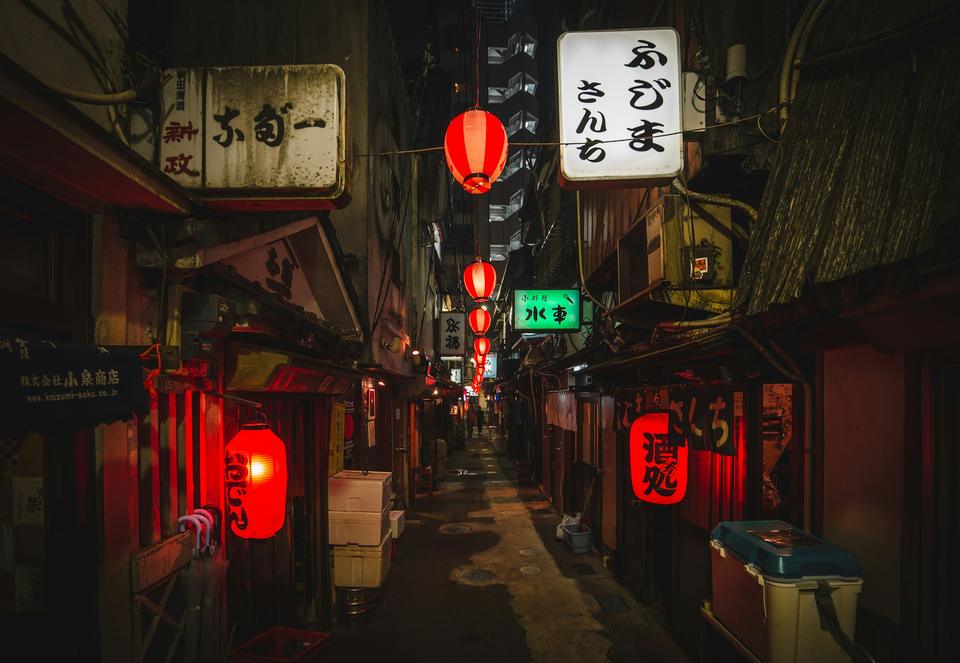
Talk your way around Tokyo.
Koe is a spoken Japanese course for your Mac, set in twelve ordinary places in Tokyo. Japanese voices speak first. You answer out loud, and Koe shows you what came out.
ホットコーヒーをください。
A hot coffee, please. Your first line, at a coffee counter.
Free for 24 hours on your Mac. macOS 14 or later, Apple silicon and Intel.
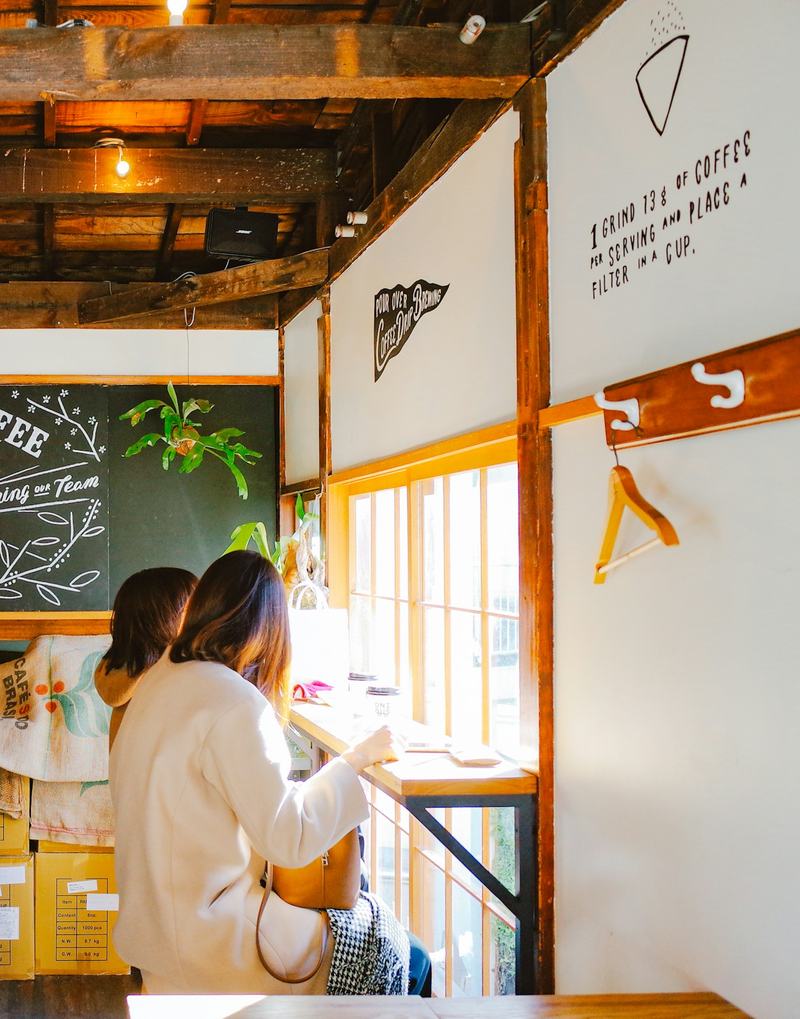
Morning. Haruka’s coffee counter in Jimbocho.
Haruka asks
店内で
Tennai de omeshiagari desu ka?
For here?
You say
はい、
Hai, tennai de.
Yes, for here.
Her question is polite staff Japanese you only need to understand. You can answer simply.
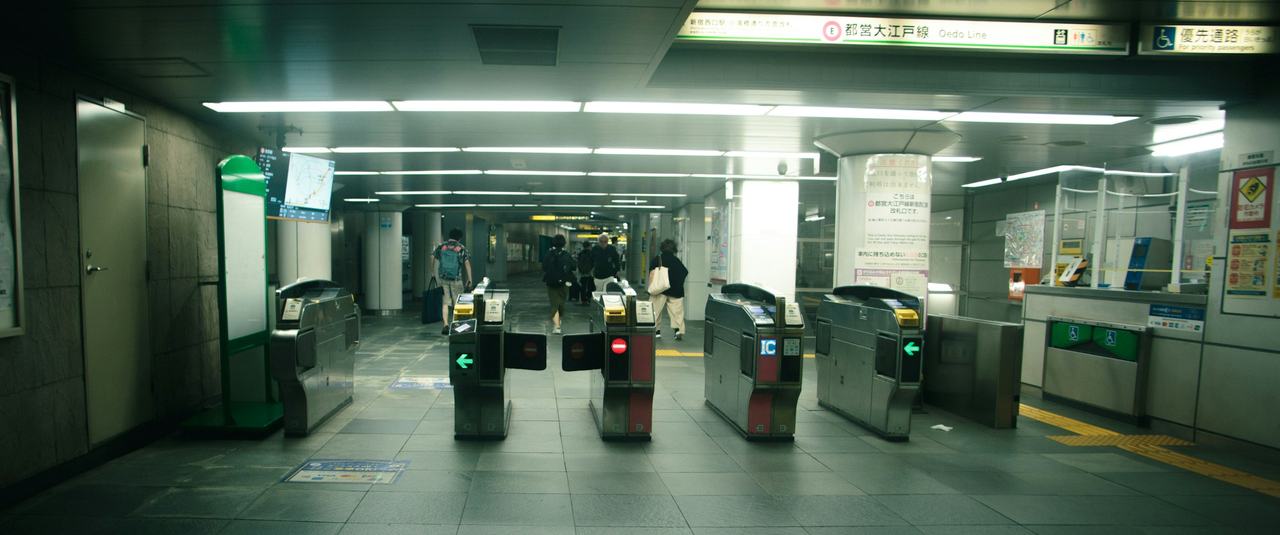
Shinjuku station. The gate beeps and shuts in front of you.
You say
すみません、
Sumimasen, kaisatsu ga tōremasen.
Excuse me, I can’t get through the gate.
Murakami-san answers
残高が
Zandaka ga tarimasen ne.
There isn’t enough on your card.
Unit 6: the gate, the IC card and the exit.
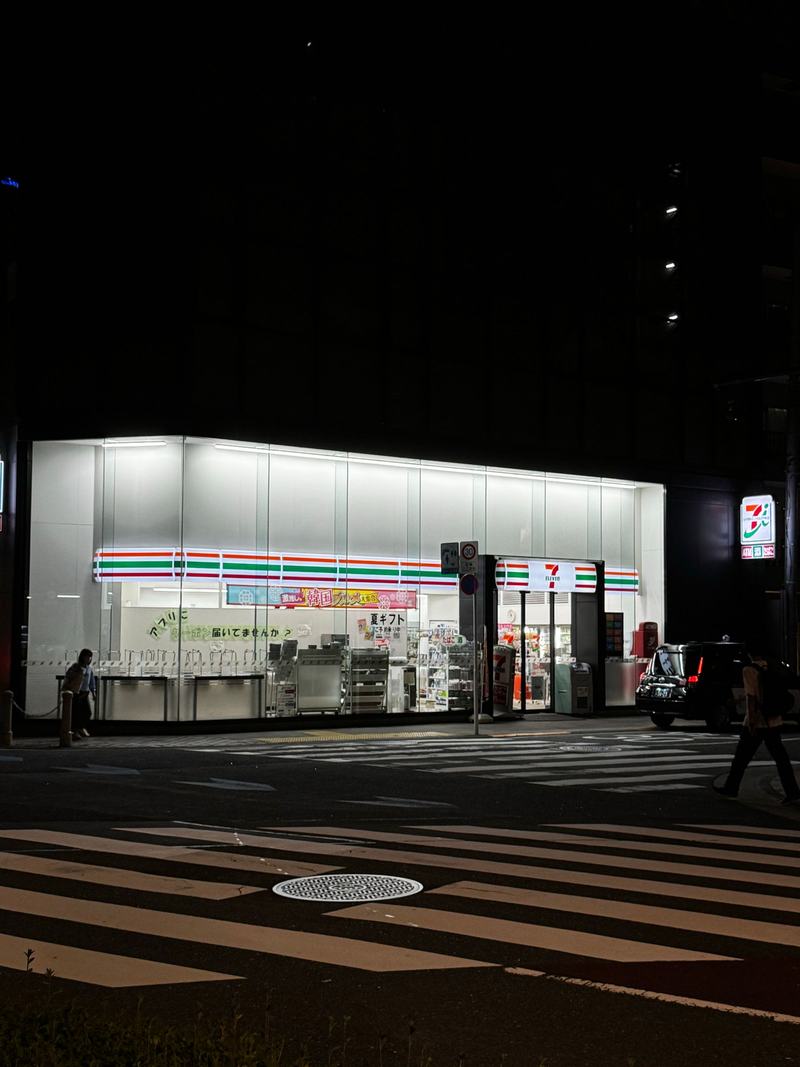
11 p.m. The konbini near your apartment.
Tamura-san asks
袋は
Fukuro wa goriyō desu ka?
Would you like a bag?
You say
袋は
Fukuro wa daijōbu desu.
I don’t need a bag.
大丈夫です is a polite no. Bags cost a few yen, so clerks ask, and many people carry their own.

Late, in the rain. The taxi’s left rear door swings open by itself.
Takeda-san asks
どちらまでですか?
Dochira made desu ka?
Where to?
You say
神保町まで
Jinbōchō made onegai shimasu.
To Jimbocho, please.
Unit 6 ends with a taxi home through the rain.
Staff speak keigo. You answer simply.
Staff in Tokyo speak a formal Japanese to every customer. Koe teaches you to understand it, and to answer the way people there do: politely, and briefly.
Readings over every kanji
Small kana sit over each kanji, as they do in the app, so you can read every line from the first day.
Romaji until you don’t need it
Each line has its romaji under it. When you can read without it, turn off Show romaji in Settings.
Polite now, casual with friends
You speak polite Japanese to staff and strangers. Casual speech arrives in unit 10, at an izakaya with Kenta and his friend Aya.

Every lesson, out loud.
Each lesson is four short steps in one place, with the people who work and live there. There are 47 lessons in twelve units, and more than 300 phrases, each with its reading, its romaji and its meaning.
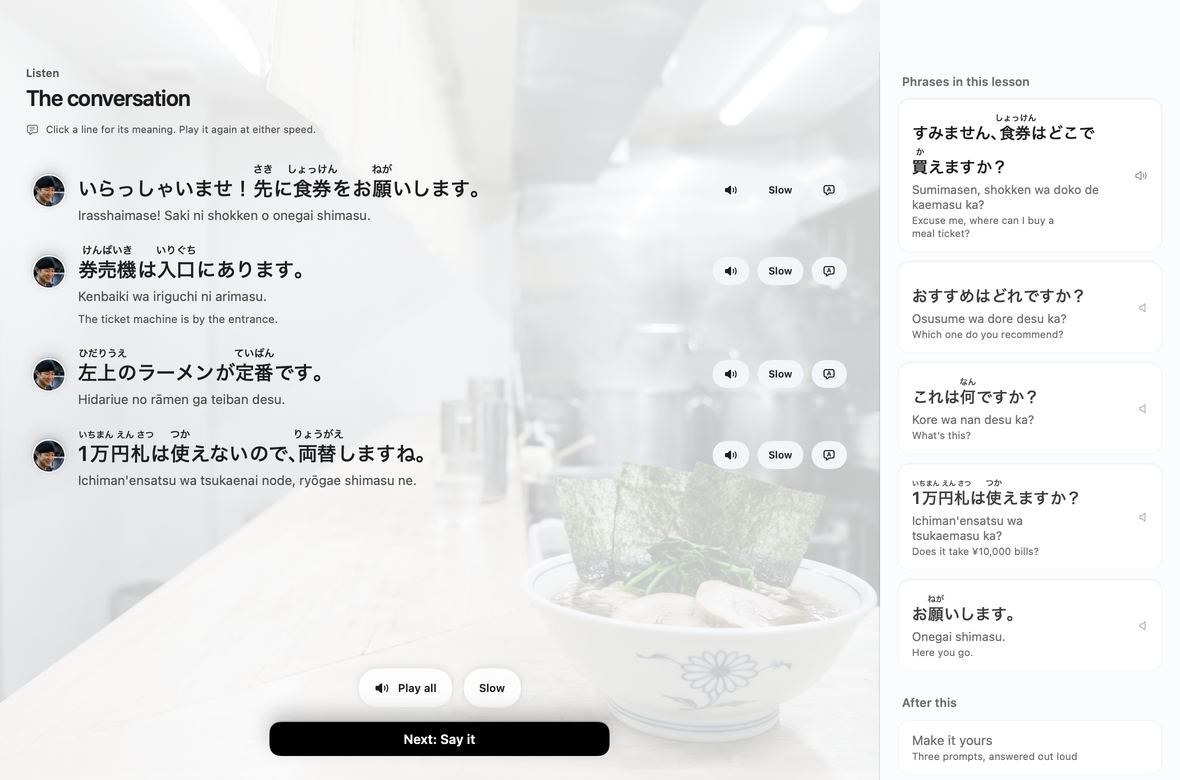
Listen
A short scene at natural speed. Click any line for its meaning, and play it again, slowly if you like.
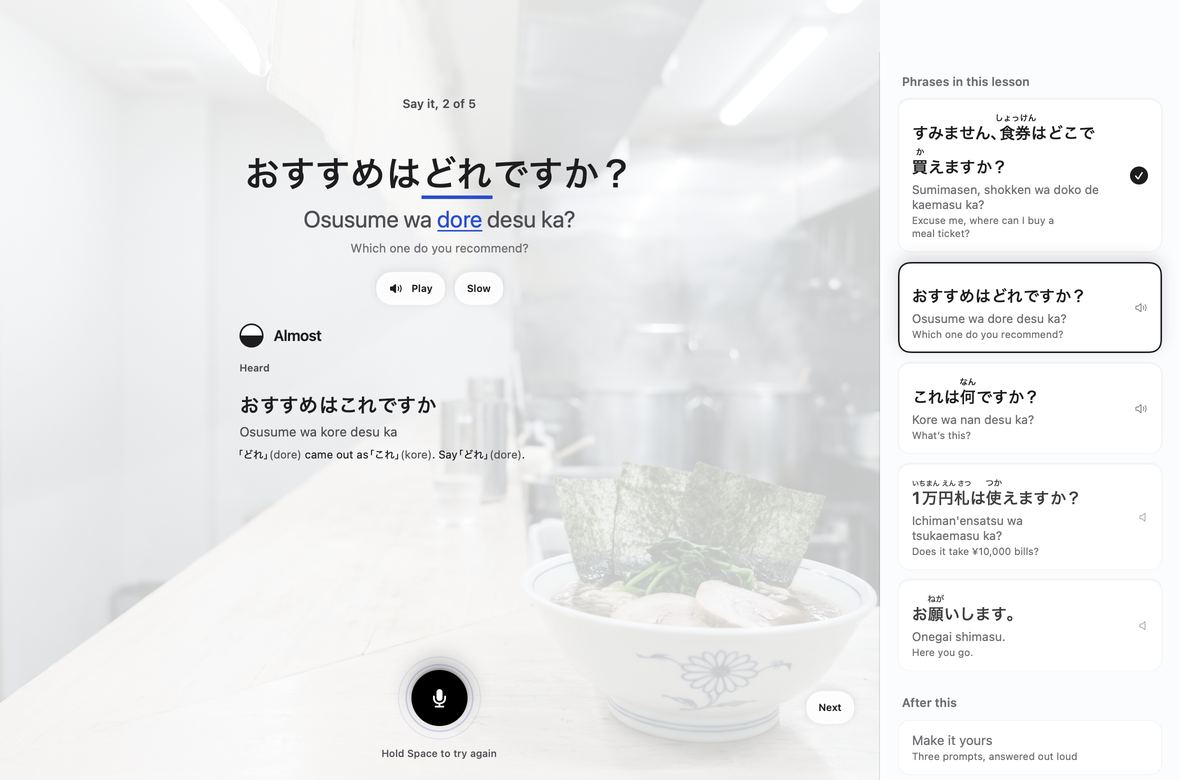
Say it
The scene’s phrases, one at a time. Hold Space to talk, see each word as it was heard, and hear your take next to the speaker’s.
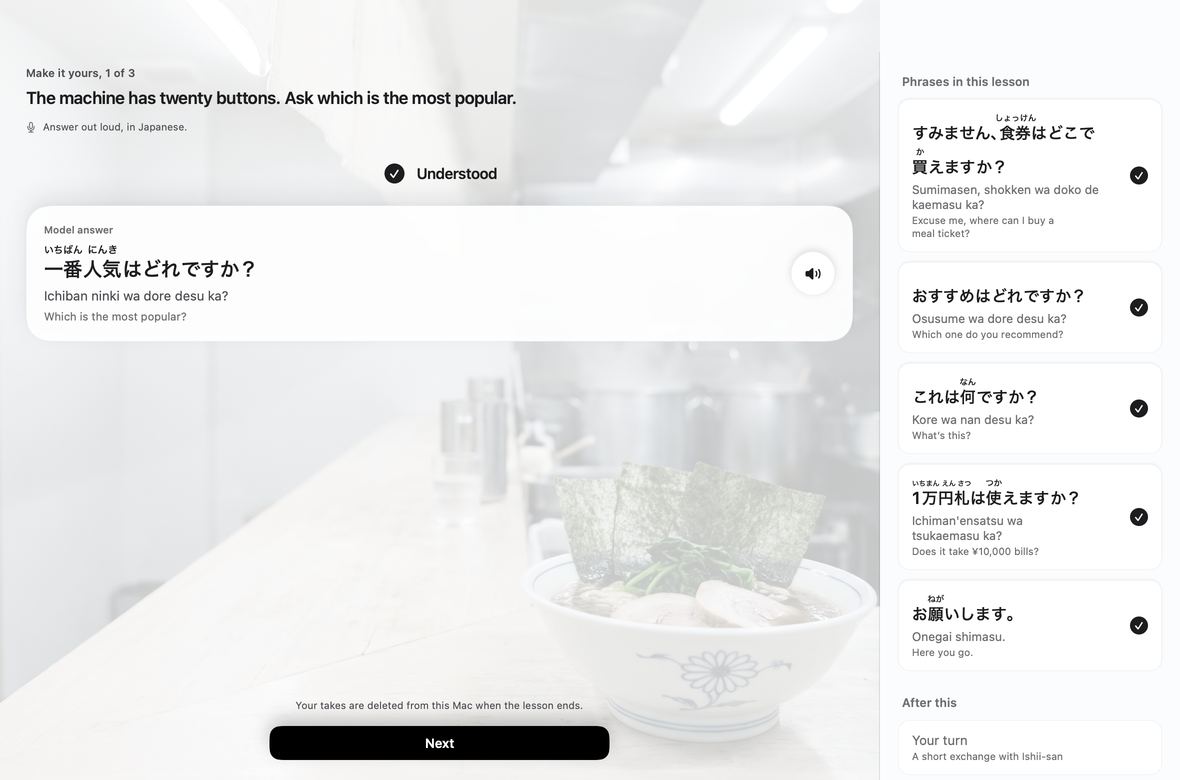
Make it yours
A situation in English. You say the Japanese for it in your own words, and the shortcuts Tokyo uses count.
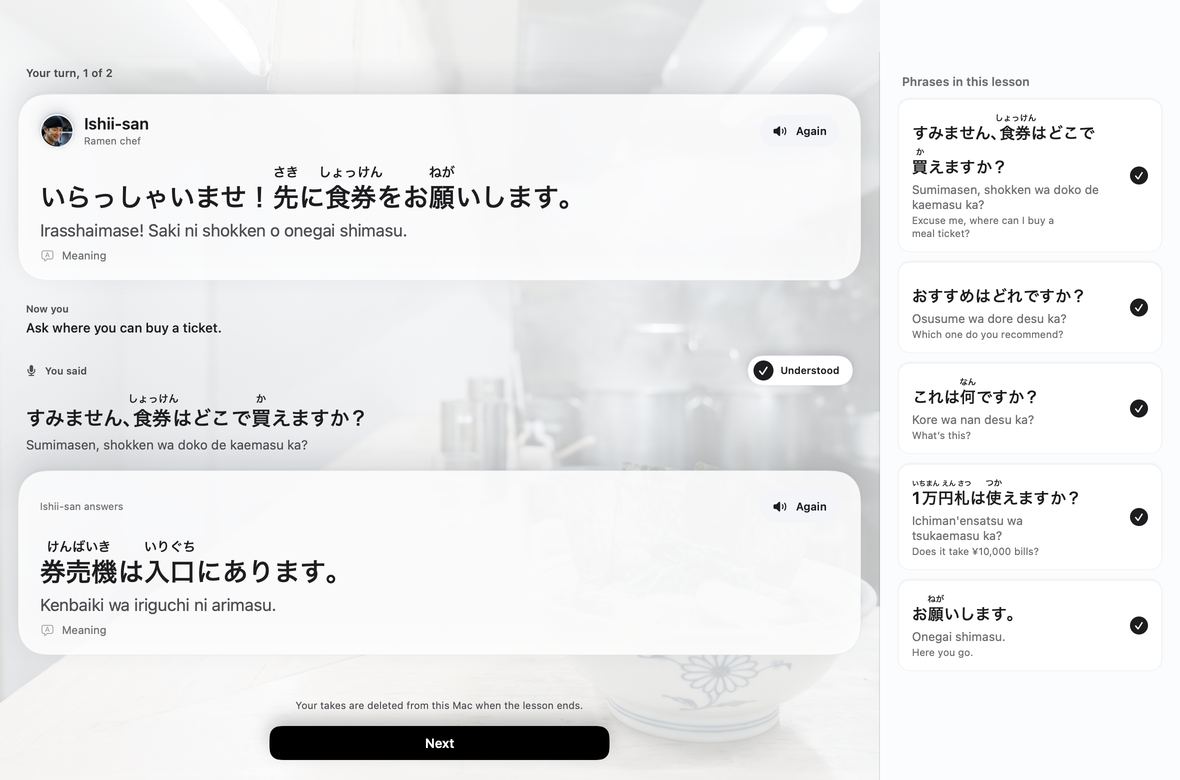
Your turn
Now you are in the scene. Someone speaks to you, you answer, and they answer you back.
Real captures of Koe on the Mac: the ticket machine lesson at Ishii-san’s ramen counter, in unit 7. On the Mac you hold Space to talk. Review brings back what you met, about five minutes at a time.
Twelve units. One city.
Each unit is an ordinary place in Tokyo and the people you meet there, in the order a first trip might go. Beside each one, the picture Koe shows for it.
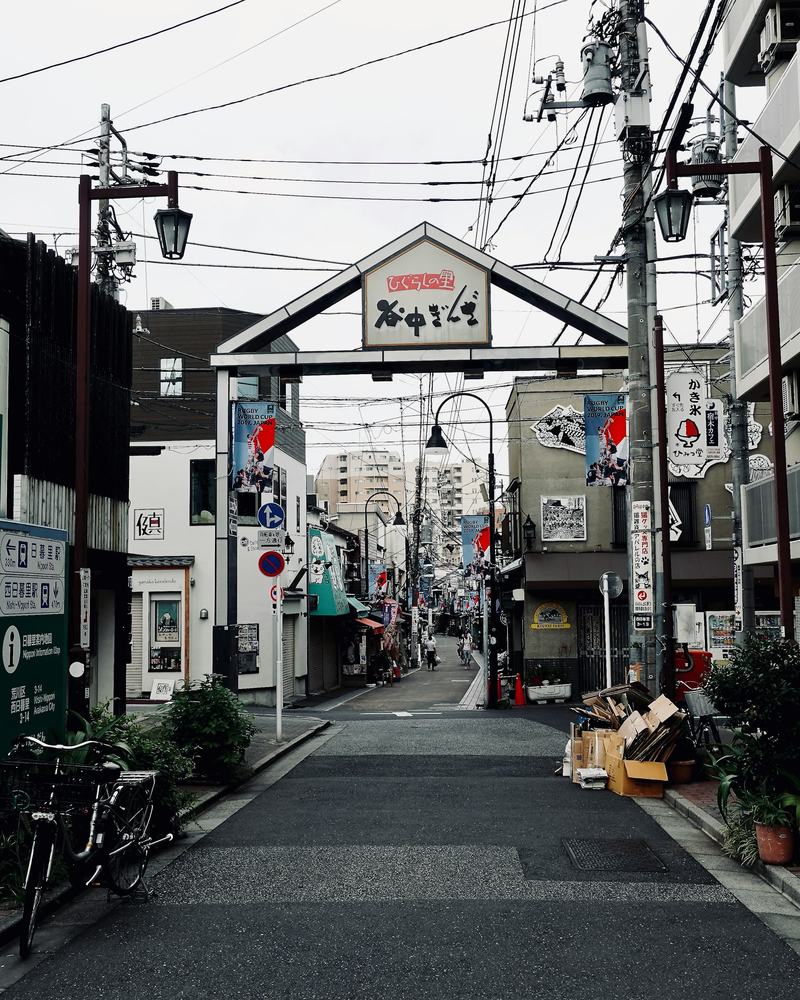
Greetings
Saying hello, sorry and thank you to your neighbors on a quiet lane in Yanaka.
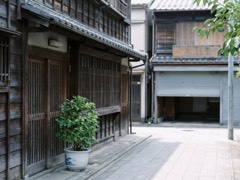
Meeting someone
Your first days at the partner studio in Kuramae, and the leather workshop downstairs.

At the café
Ordering, paying and finding a seat at a small kissaten in Jimbocho, among the secondhand bookstores.

Numbers and yen
Buying fruit and vegetables on Togoshi Ginza’s long shotengai, and croquettes fresh from the fryer next door.

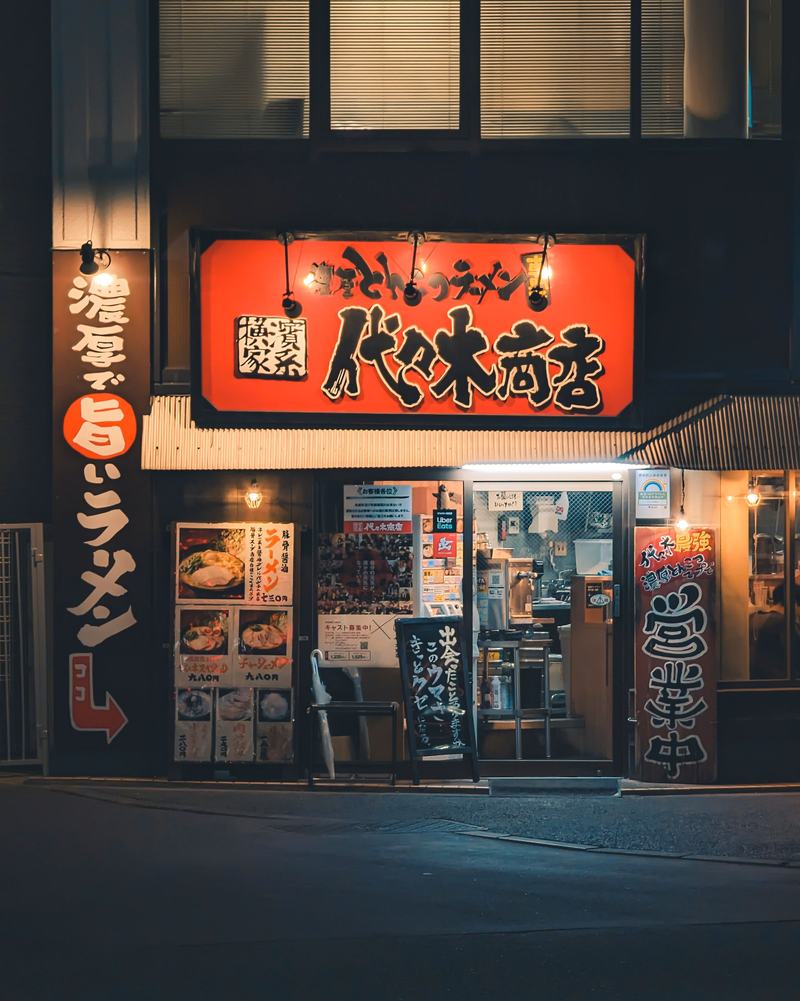
The convenience store
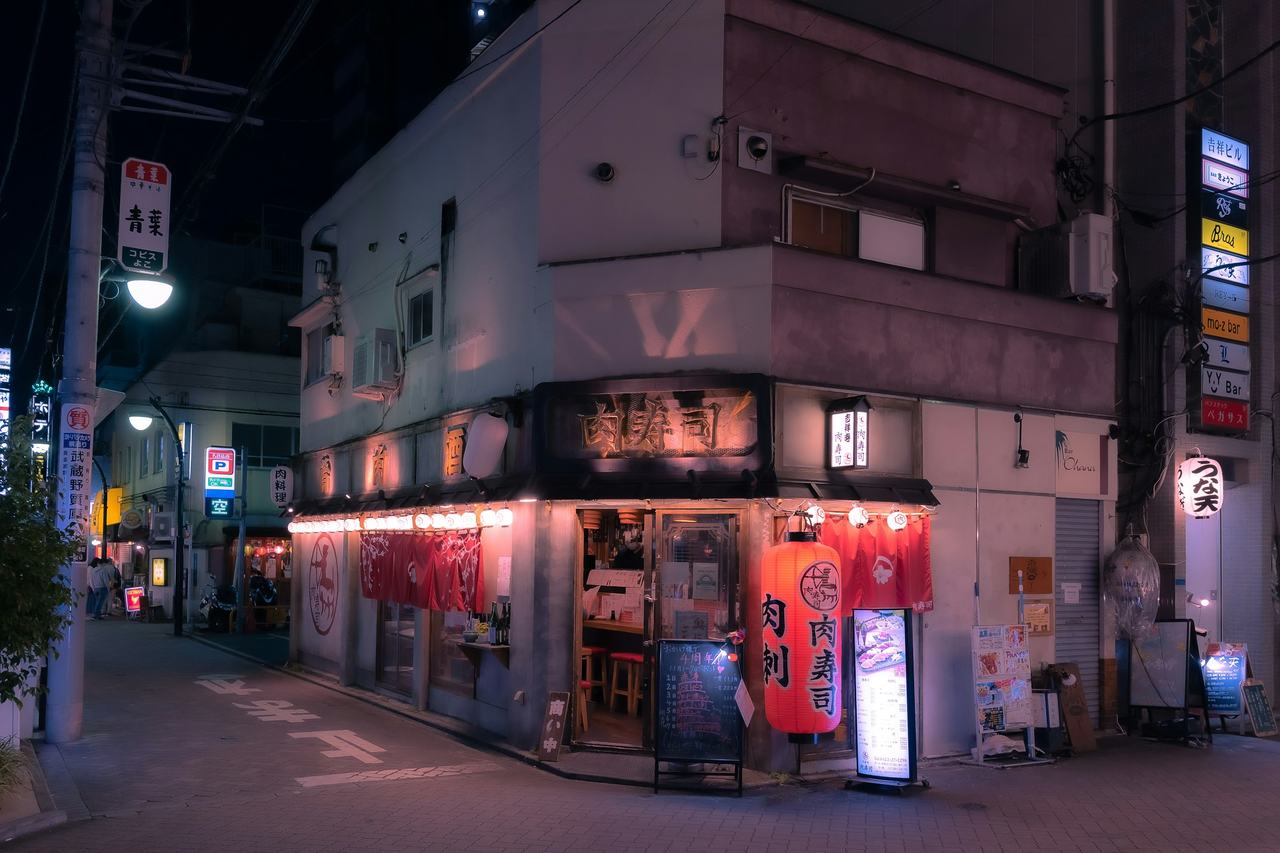
Buying a bento, saying no to the bag, and paying at the konbini near your apartment, late at night.

Getting around
Asking the way in Jimbocho, the gate and the transfer at Shinjuku, and a taxi home through the rain.
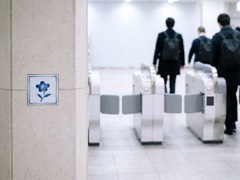
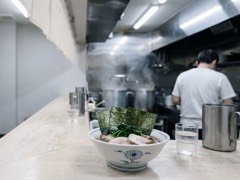
Ramen and izakaya
A ticket machine, a ten-seat ramen counter, and a Friday night at an izakaya with a friend.
Shopping
Browsing, trying things on and buying tax-free at a small vintage clothing store in Shimokitazawa.

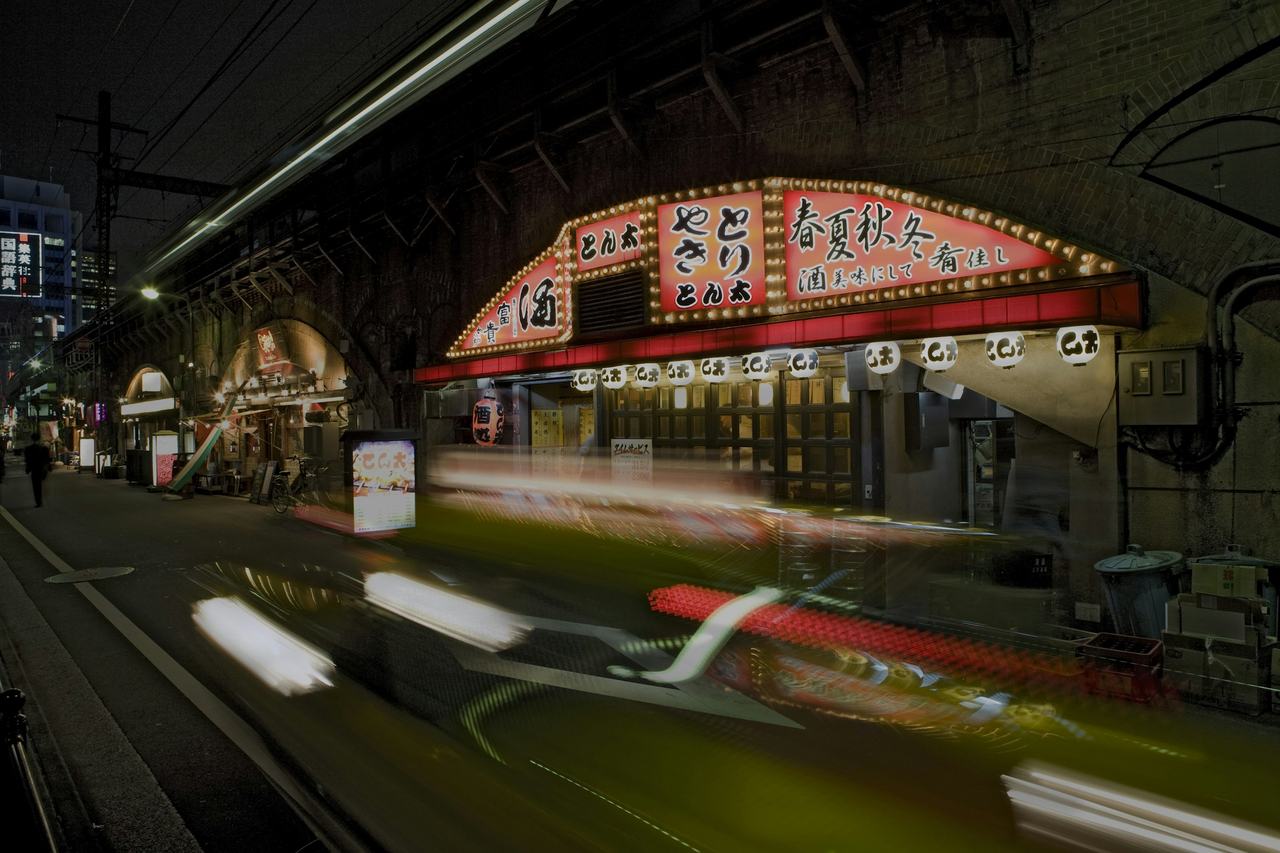
Time and plans
After work at a yakitori counter under the train tracks in Yurakucho: the time, the days of the week, and a plan for Saturday.

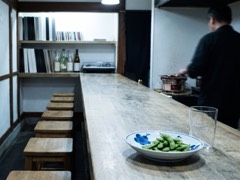
Making friends
The Saturday you planned: a small izakaya counter in Koenji, with records behind the bar and Kenta’s friend Aya.
Feeling unwell
A cold catches up with you: telling your coworker at the studio, and asking at a drugstore near Kuramae.

On the phone and at the hotel
Your last two nights, at a small hotel on a quiet street near Ueno: booking dinner by phone, and the front desk.

Then talk it through with someone you met.
Each unit ends in a scene you speak through, out loud, with someone from it. They speak first, in their own voice, and you answer.


Corrections that wait their turn
If something you said needs fixing, a small correction appears under your line. The conversation keeps going.
Help when you’re stuck
Hear their line again, slowly, then in English. Or type what you want to say in English, and get the Japanese to say.
Two levels
Beginner offers two or three replies to choose from. Open leaves it to you.
Phrases to keep
At the end: what went well, the corrections, and three phrases that go into your Review.
Okada-san, Mori-san, Haruka, Ōno-san, Tamura-san, Takeda-san, Ishii-san, Nomura-san, Kenta, Nakagawa-san and Maeda-san.
The people you talk with. Talk needs a connection, and each scene opens when you have finished its unit’s lessons.
Free for 24 hours. Then $19.99, once.
The free day
The first coffee is always free. After it, start the free day and everything opens: every lesson, Review and Talk. It ends on its own, and you are never charged.
The license
No account and no subscription. One purchase on this website gives you a license key, by email with your receipt. Your progress waits for you after the free day.
A license covers Koe from this website on up to three Macs. It does not unlock Koe from the App Store.
Price in US dollars, tax included. The checkout is run by Dodo Payments. Coming to the App Store, where Koe will be its own purchase.
Questions
Do I need to know any Japanese first?
No. Unit 1 starts with おはようございます, good morning, and every line comes with its reading, its romaji and its English meaning. Your first lesson is a coffee order, and it takes about a minute.
Do I need to read kana and kanji?
No. Every kanji has its reading above it, and every line has romaji under it. When you can read without the romaji, turn off Show romaji in Settings; the readings over the kanji stay.
Which Japanese does Koe teach?
Standard Japanese as it is spoken in Tokyo. You speak politely to staff and strangers, and casually with friends from unit 10. Staff speak keigo to you, and Koe teaches it for understanding; it never asks you to answer in it.
What do I need?
A Mac with macOS 14 Sonoma or later, Apple silicon or Intel. The lessons’ audio is in the app. Checking what you say, and Talk, need a connection; without one, you can say each line in your head and reveal it.
What if I can’t talk out loud right now?
Turn on Can’t talk right now in Settings. Every speaking item becomes say it in your head, then reveal, and your progress counts the same.
What happens to my voice?
Koe asks before anything is sent, and listens only while you hold Space or the talk button. A take with speech in it is sent to be turned into text, and our server keeps neither. In Talk, the conversation’s text goes to an AI model that writes the replies. The privacy page has every detail.
Kenta says, once the plan is made
じゃあ、
Jā, rokuji ni kaisatsu de.
Okay, six at the gates.
Try all of it for a day.
Download Koe, order your first coffee, then start the free 24 hours whenever you are ready.
macOS 14 Sonoma or later, Apple silicon and Intel. Signed with our Apple Developer ID and notarized by Apple.