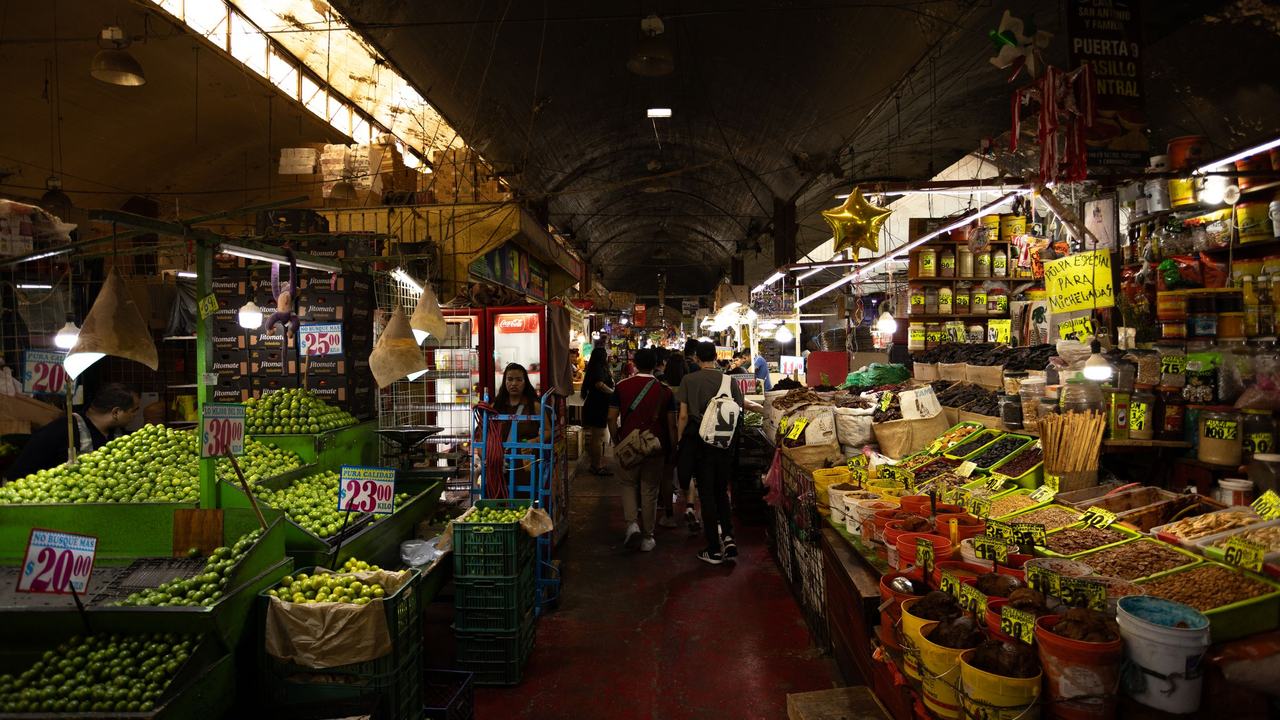
How to Say No Politely in Mexico
To say no politely in Mexico, soften it. The course teaches gentler ways to decline, such as I’ll think about it. In Spanish, that means turning down an invitation with Ahorita no puedo (I can’t right now) or No puedo, otro día (I can’t, some other day), declining more food with Ya no, gracias (no more, thanks), and leaving a stall with Lo voy a pensar, gracias (I’ll think about it, thanks). Below is a kind no for each situation you are likely to meet, every line a recording from Habla’s course.
Softer ways to say no, from the course
A plain no is understood everywhere. But the course’s softer lines, which add a thank you, a reason or another day, are easy for a visitor to borrow.
Look at how its notes describe its noes: one is “a kind no,” another “the polite no,” a third “the kind way to say you are done.” Each of those comes with something attached: a thank you, a reason, another day or a softening word. And the deflection named above, I’ll think about it, is exactly the line the course teaches for a market stall: Lo voy a pensar. The sections below follow the situations in order: invitations, food, the register, the market, and small talk.
Turning down an invitation
Tom’s coworker asks him for a coffee, right now. He cannot go, and he says so gently: he gives the reason, and he offers another day in the same breath.
Tom, a newcomer, asks
Ahorita no puedo, tengo una junta. ¿Mañana?
I can’t right now, I have a meeting. Tomorrow?
Ahorita no puedo, tengo una junta means I can’t right now, I have a meeting. ¿Mañana? is tomorrow? The core of it is a line on its own:
You say
Ahorita no puedo.
I can’t right now.
Ahorita: right now, in a minute, or later, depending on the tone. Here it means now. Ahora works too.
The note is worth reading twice. Ahorita can mean right now, in a minute, or later, depending on the tone, and here it means now. A reason after it, like tengo una junta, is up to you.
If you do not want to give a reason, the course has a shorter kind no. Its note says exactly what it does: you can’t this time, and you would like to another time.
You say
No puedo, otro día.
I can’t, some other day.
A kind no: you can’t this time, and you’d like to another time.
Offering another day instead
A soft no can end with a yes to something else. Mariana cannot do tomorrow, so she suggests a different day, and the course gives you the same move:
Mariana, a coworker, asks
Mañana no estoy. ¿Qué tal el jueves?
I’m not in tomorrow. How about Thursday?
You ask
¿Qué tal el sábado?
How about Saturday?
¿Qué tal…? suggests a day, a time or a place.
When a day does work, the course has a line that says so with a little extra stress. The note explains the small word that does it:
You say
El jueves sí puedo.
Thursday works for me.
Sí before the verb stresses it: Thursday I can.
And if you are the one who hears the no, the course gives the friendly reply. In the role play, Diego answers your no with:
Diego, a friend, asks
No te preocupes. ¿Qué tal mañana?
No worries. How about tomorrow?
No te preocupes means no worries. Then he suggests another day. Nobody is offended, and a plan is still on the table.
Saying no to more food
At a taco stand, the cook may offer another. In the course, Beto asks:
Beto, the taquero, asks
¿Le preparo otro?
Want another one?
You can say no, gracias, and that is fine. But the course gives a kinder version for when you are full:
You say
Ya no, gracias.
No more, thanks.
Ya no: not anymore. The kind way to say you are done.
Ya no means not anymore: you have had some, and now you are done.
Saying no to a bag at the register
At the register, the question is often whether you want a bag. Tom’s answer in the course is a model of a soft no: a thank you, and a reason that is barely a reason.
Tom, a newcomer, says
No, gracias, así está bien.
No thanks, it’s fine like this.
No, gracias, así está bien means no thanks, it’s fine like this. If you carry your own, the course’s other answer is No, gracias, traigo bolsa, no thanks, I have a bag: again a no with a reason. For more on the checkout, see bag, receipt and change at a Mexico City checkout.
Saying no to a sale
At a market stall, the vendor may ask whether you will take something. If you will not, you do not need an excuse. The course’s note calls this line the polite no:
You say
Lo voy a pensar, gracias.
I’ll think about it, thanks.
The polite no. Ahorita regreso, I’ll be right back, is the classic version.
The note adds that Ahorita regreso, I’ll be right back, is the classic version. Both let you walk on without a flat refusal. For the other lines vendors say to you, see what Mexican vendors say to you.
Saying you do not like something much
Small talk has its own noes. When someone asks whether you like something, a soft answer is two words. In the course, Tom is asked about movies, ¿Y el cine?, and answers No mucho. Prefiero salir a caminar: not much, I’d rather go out for a walk.
You say
No mucho.
Not much.
It answers honestly, and the second half moves the conversation to something you do like. Every line on this page is a recording from Habla’s course, and the app has you hear each one, say it out loud and see what it heard, so the soft no comes out as easily as a yes.
Every line on this page
The 12 lines above, in order, for one last listen before you go. Each one is the recording from the Habla course.
Ahorita no puedo, tengo una junta. ¿Mañana?I can’t right now, I have a meeting. Tomorrow?
Ahorita no puedo.I can’t right now.
No puedo, otro día.I can’t, some other day.
Mañana no estoy. ¿Qué tal el jueves?I’m not in tomorrow. How about Thursday?
¿Qué tal el sábado?How about Saturday?
El jueves sí puedo.Thursday works for me.
No te preocupes. ¿Qué tal mañana?No worries. How about tomorrow?
¿Le preparo otro?Want another one?
Ya no, gracias.No more, thanks.
No, gracias, así está bien.No thanks, it’s fine like this.
Lo voy a pensar, gracias.I’ll think about it, thanks.
No mucho.Not much.
Common questions
How do you say no politely in Spanish in Mexico?
Add something to the no: a thank you, a reason or another day. No puedo, otro día turns down an invitation kindly, Ya no, gracias declines more food, and Lo voy a pensar, gracias leaves a sale.
What does ahorita no puedo mean?
It means I can’t right now. The course notes that ahorita can mean right now, in a minute or later, depending on the tone, and that here it means now.
How do I make a no sound kinder in Spanish?
Add gracias, a reason or another day. The course teaches each of those softer forms.
How do you turn down food politely in Mexico?
Say Ya no, gracias. The course calls ya no, not anymore, the kind way to say you are done.
Opening photograph: People walk and wait along a lit sidewalk past restaurant terraces on a Mexico City avenue after dark. Photograph by Viridiana Rivera on Pexels. Blog photo credits.