How to say “Does this train stop at Koenji?” in Japanese
この電車は高円寺に止まりますか?
Kono densha wa Kōenji ni tomarimasu ka?
A line you say in Koe, the Tokyo course. The recording is the course’s own, at natural speed and slow.
Word by word
“Does this train stop at Koenji?” in Japanese is この電車は高円寺に止まりますか?, read Kono densha wa Kōenji ni tomarimasu ka?.
- このkono
Also in この近くにコンビニはありますか? Is there a konbini near here?
- 電車densha
Also in どの電車に乗ればいいですか? Which train should I take?
- はwa
- 高円寺kōenji
Also in 高円寺、よく来るの? Do you come to Koenji a lot?
- にni
- 止まりますtomarimasu
- かka
Worth asking on the Chuo Line: on weekends and holidays the rapid runs straight through Koenji, and only the Sobu Line local stops there.
Where you say it
Getting around, unit 6 of 12 in Koe
Asking the way in Jimbocho, the gate and the transfer at Shinjuku, and a taxi home through the rain.
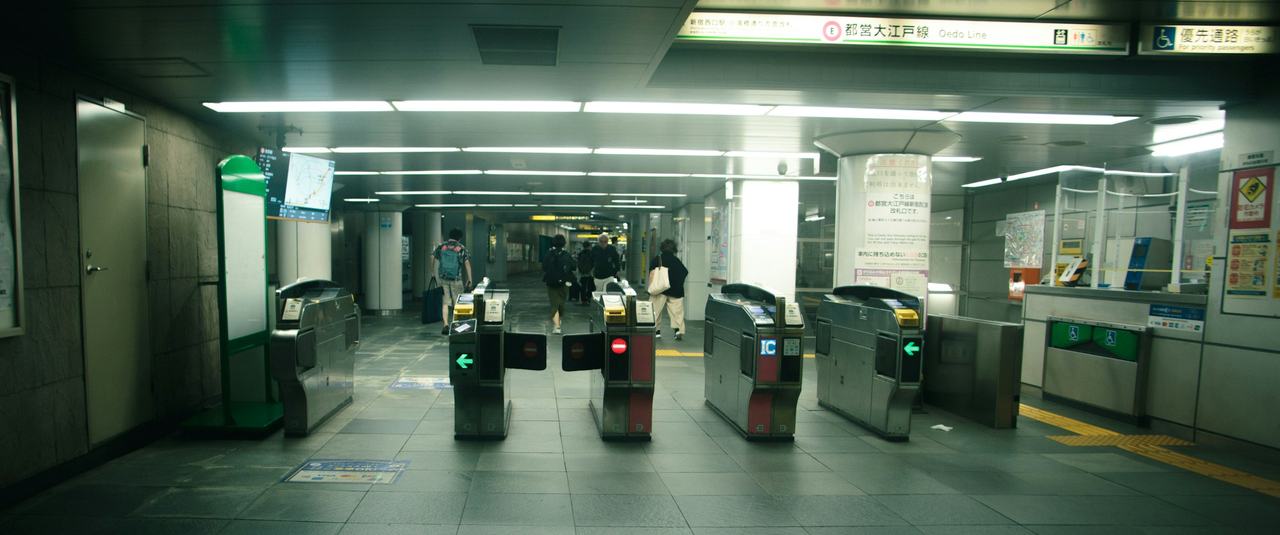
It is taught in the lesson “Changing trains”. The scene: Shinjuku. You’ve come in on the Toei Shinjuku Line and are going on to Koenji on JR. Announcements follow you onto the platform, and one more onto the train.
The whole scene
This is the Listen scene of the lesson, as the course plays it, with every line recorded.
Murakami-san
土日は快速が止まらないので、総武線に乗ってください。
Donichi wa kaisoku ga tomaranai node, Sōbu-sen ni notte kudasai.
On weekends the rapid doesn’t stop there, so take the Sobu Line.
the announcer
まもなく、電車がまいります。
Mamonaku, densha ga mairimasu.
A train is now arriving.
the announcer
危ないですから、黄色い線までお下がりください。
Abunai desu kara, kiiroi sen made osagari kudasai.
For your safety, please stand behind the yellow line.
the announcer
ドアが閉まります。ご注意ください。
Doa ga shimarimasu. Gochūi kudasai.
The doors are closing. Please be careful.
the announcer
車内では、携帯電話をマナーモードに設定の上、通話はご遠慮ください。
Shanai de wa, keitaidenwa o manāmōdo ni settei no ue, tsūwa wa goenryo kudasai.
On the train, please set your phone to silent and refrain from calls.
The course asks
Why does the attendant send you to the Sobu Line?
On weekends the rapid doesn’t stop at Koenji. 土日は快速が止まらないので: on weekends the rapid doesn’t stop there. 土日 is Saturday and Sunday, and it’s the same on holidays. The announcements that follow are the most formal Japanese you’ll hear, and nobody answers them: まもなく、電車がまいります, a train is arriving, and 黄色い線までお下がりください, stand behind the yellow line.
Other ways to say it
The course sets it up like this: “A train is at the platform. Ask whether it stops at Koenji.”
Koe also takes these as an answer:
- この電車、高円寺に止まりますか?Kono densha, Kōenji ni tomarimasu ka?
- 高円寺に止まりますか?Kōenji ni tomarimasu ka?
- これは高円寺に止まりますか?Kore wa Kōenji ni tomarimasu ka?
- この電車は高円寺で止まりますか?Kono densha wa Kōenji de tomarimasu ka?
- 高円寺は止まりますか?Kōenji wa tomarimasu ka?
Say these next

This line is from Koe.
Koe is a Japanese course you speak out loud on your Mac, set in Tokyo. Someone from the city speaks first, you answer, and it shows you what it heard.
Free for 24 hours. Then $19.99, once.
Every lesson is open for a full day. No subscription and no account.
macOS 14 Sonoma or later. Price in US dollars, checkout by Dodo Payments.